
Online Master's in Law for Non-Lawyers in the Age of AI and Regulation
The University of Illinois College of Law's Master of Science in Law is designed exclusively for working professionals who need legal fluency but aren’t trying to become attorneys. Build applied legal knowledge in AI governance, cybersecurity, business law, corporate governance, and employment compliance, 100% online, in just 18 months.
From managing regulatory risk in healthcare, leading technology teams through privacy and AI governance challenges, or making strategic decisions that carry employment or compliance implications, legal complexity is embedded in the daily work of professionals across industries.
The U. of I. master’s in law gives you the legal framework, vocabulary, and applied knowledge to:
- Collaborate more confidently with legal counsel
- Spot legal risks earlier in your decision-making
- Lead with authority in rooms that include attorneys
- Advance into roles like chief compliance officer, data privacy officer, or HR director
Program Details
- 32 credits
- Complete in as few as 18 months
- 100% online & asynchronous (2 optional synchronous sessions per week)
- Two concentrations: Tech & Privacy, Business Compliance
- No LSAT required
Master Legal Skills in AI, Privacy, and Compliance
Built for working professionals navigating legal complexity without a law degree. The online MSL from U. of I. delivers stackable credentials in high-demand areas including AI governance, cybersecurity, employment law, and business compliance. Start with a certificate or go straight to the full degree.
What law program are you interested in?
Get more information
Stackable Credentials That Build Career Value From the Start
Rather than waiting until the end of the program to update your resume, you’ll be able to earn a certificate after three courses. You'll earn two graduate certificates along the way, creating multiple milestones that demonstrate your growing expertise throughout the program. Each certificate is independently valuable. Each one builds toward your MSL.
Every Course Built From Scratch for Working Professionals
The courses in the MSL curriculum are not repurposed JD courses, adapted MBA electives, or recycled continuing education content. Each one was designed from the ground up with a single question driving every decision: what does a mid-career professional in business, tech, or compliance actually need to advance?
Learning objectives, assessments, simulations, and capstone projects all flow from that question. You'll build a portfolio of professional deliverables that you could actually use at work like compliance policies, risk mitigation plans, governance frameworks, and strategic briefs.
How the Online MSL Degree Works at the University of Illinois
All MSL students must complete the Legal Foundations certificate made up of three courses.
The College of Law offers two career-focused MSL concentrations made up of three certificates, or nine courses, each. To complete the degree, you’ll choose five electives with at least four elective courses from a single concentration, in order to earn that concentration designation. You may also forego a pre-determined concentration and select five elective courses of your choice to complete the MSL.
Choose a Career-Focused Concentration or Electives
Tech & Privacy Concentration
Build expertise at the intersection of law, technology, and data protection. Bridge the gap between technical expertise and legal fluency so you can lead confidently at the intersection of innovation and regulation.
Tech & Privacy Certificates:
AI Privacy & Governance in Law
Cybersecurity Law & Resilience
Law of Emerging Technologies
What You'll Master:
- AI governance, algorithmic accountability, and ethics frameworks
- Cybersecurity law, data breach response, and regulatory compliance
- Legal frameworks for blockchain, IoT, and emerging technologies
- Privacy regulation including GDPR, CCPA, and AI-specific requirements
Who It’s For:
- Someone leading technology initiatives like AI implementation, data systems, product development, cybersecurity operations but increasingly finds themself in conversations about regulatory compliance, privacy obligations, and legal risk that they can't quite navigate.
- You understand the technology deeply but need to speak the language of regulation, liability, and governance frameworks.
- A leader on the executive track fielding questions from the board about GDPR, algorithmic bias, data breach obligations, or AI ethics policies with your department’s new initiatives and you need more than surface-level answers.
- A technical expert who gets sidelined when legal counsel joins the conversation. You want to lead cross-functional teams that include attorneys, not just support them.
Business Compliance Concentration
Master the legal frameworks that shape corporate decision-making and workplace management. Gain the legal grounding and authority to lead strategic business decisions confidently instead of just implementing what lawyers tell you to do.
Business Compliance Certificates:
Ethics & Corporate Governance
Advanced Business Law
Employment Law & Workplace Dynamics
What You'll Master:
- Corporate governance, fiduciary duties, and ethical compliance structures
- Contracts, M&A, intellectual property, and commercial transactions
- Employment law, HR compliance, labor relations, and workplace rights
- Risk management and regulatory frameworks across industries
Who It's For:
- A rising HR manager making decisions that carry legal weight: hiring and firing, vendor contracts, compliance policies, board governance, workforce restructuring but they’re operating at the edge of their expertise on the legal dimensions.
- A marketing leader who relies heavily on outside counsel for guidance, but can't always distinguish good legal advice from overly cautious advice.
- Someone who needs the vocabulary, frameworks, and academic recognition to hold their own in board rooms, regulatory audits, and strategic planning sessions where legal and business decisions intersect.
Or Build Your Own Path
You're not required to complete a predetermined concentration. If your career goals span both tech and business law or if you want to customize your credential around specific challenges you're facing, you can mix and match courses from both concentrations to create your own path.
Requirements:
- Complete the Legal Foundations for Professionals certificate
- Complete five additional courses from any certificate curriculum
Learn From Scholars and Practitioners
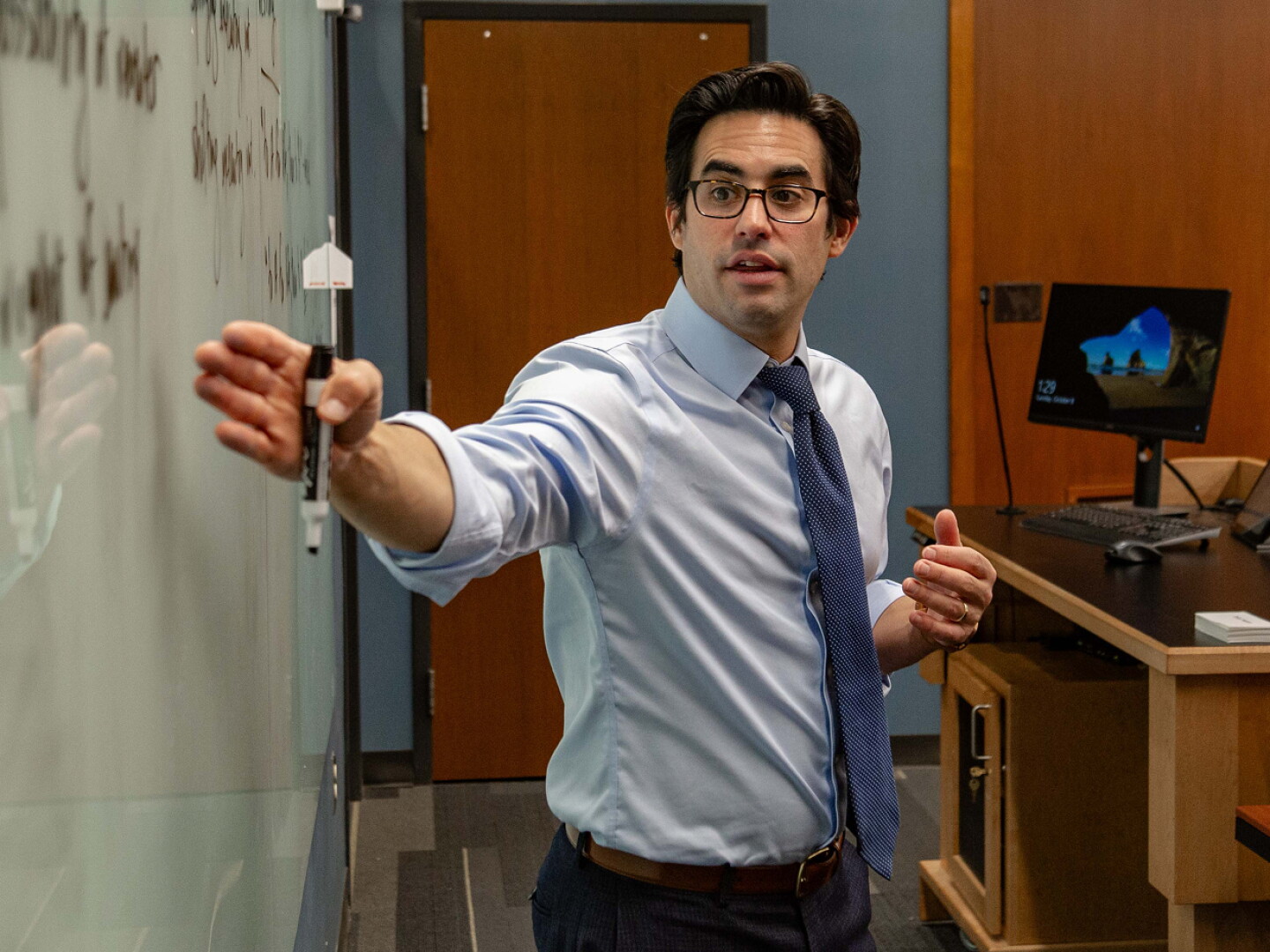
The University of Illinois MSL faculty reflects a deliberate design choice: blend world-class legal scholars with practitioners who work daily on the issues you're navigating in your career.
You'll learn from:
- Tenured College of Law faculty
- Expert legal practitioners
- Industry-connected specialists
This faculty model ensures every course delivers both intellectual depth and immediate professional applicability.
MSL FAQs
How long does it take to get a master’s of law?
How much does a master's in law cost at the University of Illinois?
What can you do with a master's in law?
Ready to Build Legal Expertise for Your Career?
Start your application to the MSL or a certificate program; or learn more about the program and how legal knowledge could help you reach your professional goals.